

Lots of people are interested in interior design or interior decorating online training because they dream of starting their own business. And one of the most common questions we get here at Alna Design is: How do I charge for my services?
Let’s clear things up by answering these questions:
- Does the cost of hiring an interior decorator/designer vary by location?
- How can an interior decorator/designer increase their rates?
- How to charge? What are the main options?
- What other services can an interior decorator or interior designer charge for?
1. Does the cost of hiring an interior decorator/designer vary by location?
Interior designer and interior decorator fees vary depending on location.
Where a professional works has a direct impact on pricing.
In large cities and affluent areas, interior designers and interior decorators typically charge higher fees than in smaller towns or rural regions.
Hourly rates in major urban markets are often 10 to 20% higher.
However, this difference is not necessarily negative.
In higher-priced cities, the cost of living and operating expenses—such as housing, transportation, and daily costs—are also higher.
Outside major urban centers, professionals may charge lower rates, but their personal and business expenses are generally lower as well.
The key takeaway
Whether you work in a large city or a smaller market:
- pricing naturally adjusts to local economic conditions
- income and expenses tend to balance out
- it is possible to build a sustainable interior design or interior decorating business in any location
This is an essential concept to understand if you want to learn interior design online or study interior decorating online with the goal of starting your own business.
2. How can an interior decorator/designer increase their rates?
Increasing your rates as an interior decorator or interior designer is not about charging more randomly.
It’s about building professional value over time.
Here are the main ways interior design professionals can justify higher fees and grow a sustainable business.
Gain more experience
Experience is one of the strongest factors influencing pricing.
The more projects you complete, the more you can charge.
Working on diverse interiors, building a strong portfolio, and collecting positive client testimonials all contribute to higher perceived value.
This is why real projects are essential when you learn interior design online.
Specialize in a niche
Specialization allows interior designers and interior decorators to charge higher rates.
Focusing on a specific niche—such as:
- luxury residential interiors
- sustainable interior design
- home styling
- French Touch design
makes your expertise clearer and more valuable.
Alna Design’s online interior design and decorating course gives you the chance to specialize in several niches that are in high demand: French luxury interior design, sustainable design, and home styling.
Offer premium services
Adding complementary services can significantly increase your rates.
Premium services may include:
- project management
- 3D renderings
- custom furniture design
- sourcing unique or high-end materials
These services justify higher fees because they save time and add value for clients.
Improve your skills
Ongoing education is key to professional growth.
Interior decorators and interior designers who:
- update their skills
- learn new tools
- stay informed about industry standards
are more competitive and can charge more.
With ALNA DESIGN®, you can study interior decorating online through a variety of courses designed to support continuous skill development.
Build a strong brand
A strong brand helps clients trust you—and trust supports higher pricing.
Key elements include:
- a professional website
- a clear positioning
- a consistent online presence
Clients are more willing to pay higher fees when they perceive professionalism and clarity.
Network and market effectively
Building relationships within the industry increases opportunities.
Collaborating with:
- architects
- contractors
- real estate professionals
and marketing your services consistently can increase demand—making it easier to raise your rates.
Demonstrate value to clients
Clients don’t pay for decoration alone.
They pay for results.
Clearly communicate how your work:
- improves functionality
- enhances comfort and aesthetics
- increases property value
Demonstrating tangible value makes pricing easier to justify.
Confidently present their pricing
Confidence matters.
Explaining your pricing structure clearly and professionally helps clients understand what they are paying for—and why.
Uncertainty lowers perceived value.
Clarity builds trust.
The key takeaway
By focusing on:
- experience
- specialization
- skills
- branding
- value communication
you can steadily increase your rates and build a successful interior decorating or interior design business.
This is exactly the mindset we teach when you learn interior design online with a professional, structured approach.
3. How to charge? What are the main options?
Here are some ways interior designers and decorators can charge for their work:
The Discovery call
This initial conversation is all about understanding your potential client‘s needs and expectations for their project. This call should always be free, as it allows you to assess the project scope and determine whether it’s a good fit for you. It’s also the stage where you’ll present a proposal or quote for your services. To save time and ensure I gather all the necessary information, I use pre-designed questionnaires that I send to potential clients. Their responses help me create a tailored quote and decide if I want to take on the project. Alna Design’s shop offers affordable access to these valuable diagnostic tools.
Hourly and daily rates
Charging by the hour is common for the time spent planning, researching, and designing. As mentioned earlier, hourly rates can vary significantly based on experience and location. I recommend charging around $100 per hour if you choose this billing method. Personally, I prefer charging by the day, as it simplifies cost calculations and clarifies the time dedicated to each task. A day’s work should not be charged at less than $400. In my opinion, if you’re marketing yourself within a specialized niche like luxury French design or sustainable design, you should start by charging around $600 per day.
Flat fees
Some interior designers and decorators charge a fixed rate listed on their website for decorating each room. This approach seems inappropriate to me because the same room, such as a living room, for example, may require more or less work depending on its complexity. Therefore, you could often end up at a disadvantage.
Charge by phase
In my view, this is the best way to charge for interior design and home decorating services. When preparing a quote, I break the project down into distinct phases:
- Initial consultation & site analysis: meeting the client, understanding their needs, and assessing the space.
- Design concept development: creating mood boards, color palettes, and initial design concepts.
- Space Planning & layout: developing detailed floor plans and potentially 3D renderings.
- Furniture & material selection: sourcing and selecting furniture, fabrics, and other décor elements.
- Project management (if applicable): overseeing the project, coordinating with contractors, and managing timelines.
I set a price for each phase based on the estimated time involved. This approach provides transparency for the client, who can then make payments in installments at the end of each phase. To ensure commitment, I require a 50% deposit at the start of each phase.
What other services can an interior decorator or interior designer charge for?
As you step into a career of interior designer or interior decorator, it’s important to think beyond the traditional payment for services rendered. Diversifying your income sources is key to building a stable and potentially more lucrative business.
Purchase of furniture
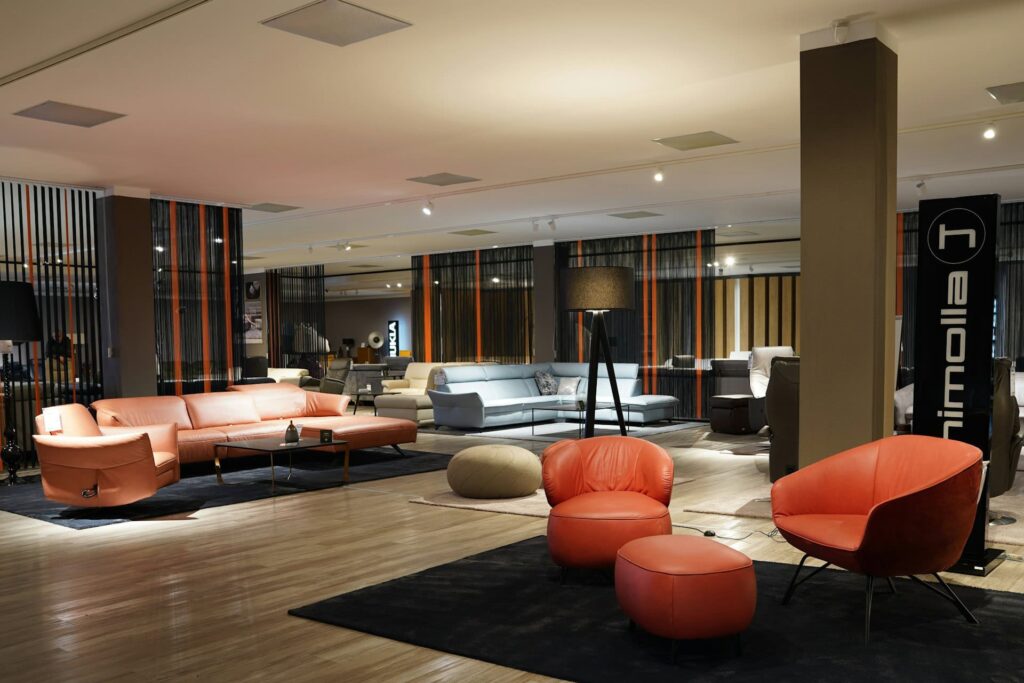
Most professionals especially in United-States add a markup to the furniture, materials, and decor they purchase on behalf of their clients. The percentage depends on the partnership terms you have with each supplier. Generally, suppliers offer a 15% discount to interior designers or decorators.
For my part, in order to be fair to my clients, I charge a slightly lower daily rate when this task is entrusted to me because I know I will also make money from the sale of furniture, and I believe that a service should be win-win.
Workshops
Expert professionals have the opportunity to conduct workshops, imparting their valuable knowledge to enthusiasts or clients keen on DIY decorating yet in need of some direction. Opting for a professional’s guidance not only streamlines the process but also offers more reliable and refined insights compared to navigating through countless unreliable websites.
Affiliate Marketing
By recommending products through a blog or social media and using affiliate links, interior designers and decorators can earn commissions on sales made through those links.
Speaking Engagements
As an expert in your field, you can earn fees by speaking at industry events or home shows.
Discover ALNA DESIGN® free courses
Discover ALNA DESIGN® free courses
👉All free courses

More from the blog
Nature Takes Center Stage in 2025 Decor
Read moreFeb
2025 Interior Design Trends
Read moreJan
Interior Design Certification: Do You Really Need a Certifying Program?
Read moreNov