
Nature is not merely a source of inspiration; it is the ultimate blueprint for sophisticated interior architecture. In the luxury market, we look beyond simple aesthetics toward Biomimicry—the science of inheriting nature’s billion-year-old intelligence to solve modern design challenges.
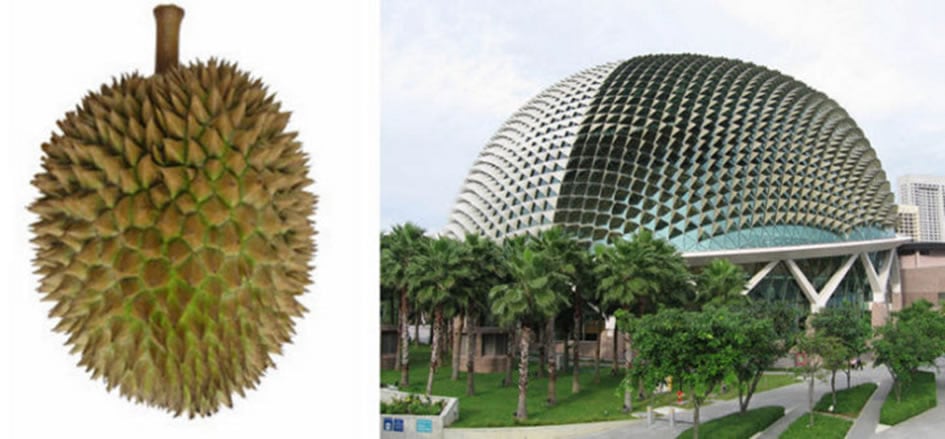
A masterclass in this approach is the Esplanade Theater in Singapore. Designed by DP Architects and Michael Wilford, this iconic structure draws its genius from the durian fruit. Much like the fruit’s protective spikes, the building’s shell is engineered with a complex system of protruding structures.
7 Curated Strategies for 2026 Nature-Centric Design
1. Biophilic Immersion: The Architectural Living Wall
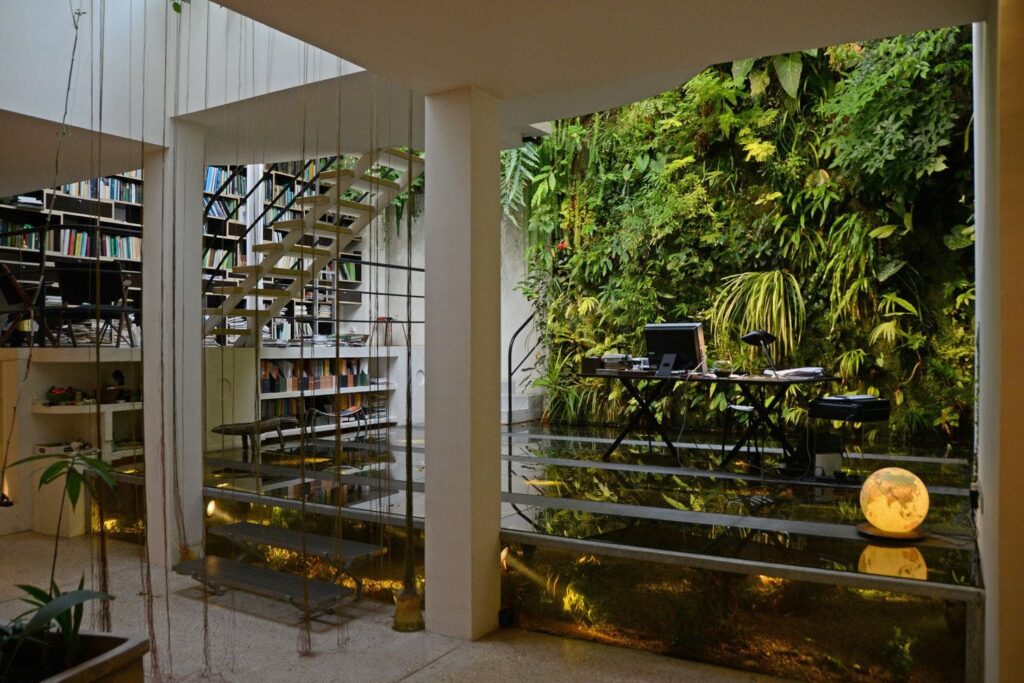
In high-end design, we no longer simply “decorate” with plants; we integrate living ecosystems into the very fabric of the home. A magnificent living wall acts as a vertical lungs for the room, dissolving the boundary between the interior sanctuary and the wild world outside.
The French Method® Insight: Beyond the aesthetic, these installations are functional tools for Atmospheric Vitality. They naturally regulate humidity and purify the air, creating a micro-climate that enhances biological well-being. When lighting these features, remember that the direction of light (North vs. South) will dramatically change the “pigment depth” of the leaves, altering the room’s soul from dawn to dusk.
2. The New Frontier: High-End Regenerative Materials
In the elite design landscape of 2026, luxury is defined by innovation and ethics. We are moving beyond traditional finishes toward a new generation of bio-engineered materials that offer unparalleled sensory depth and environmental integrity.
- Mycelium-Based Leathers: Utilize the root structure of mushrooms to create carbon-neutral “leathers” that are softer and more durable than animal hides.
- Compressed Seaweed Panels: These structural elements offer incredible acoustic properties and a raw, marine aesthetic that grounds a room in nature.
- Engineered Bamboo Veneers: Move beyond the “eco-cliché” with woven bamboo fibers that mimic the shimmer of silk while providing the strength of hardwood.
The French Method® Perspective: When selecting these materials, we analyze their Refractive Index. A mycelium fabric, for instance, has a high light-absorption rate, creating a “matte velvet” atmosphere that absorbs excess glare in a South-facing room. Choosing bio-based materials is not just an ethical choice—it is a haptic strategy to balance the room’s energy through texture and light interplay.
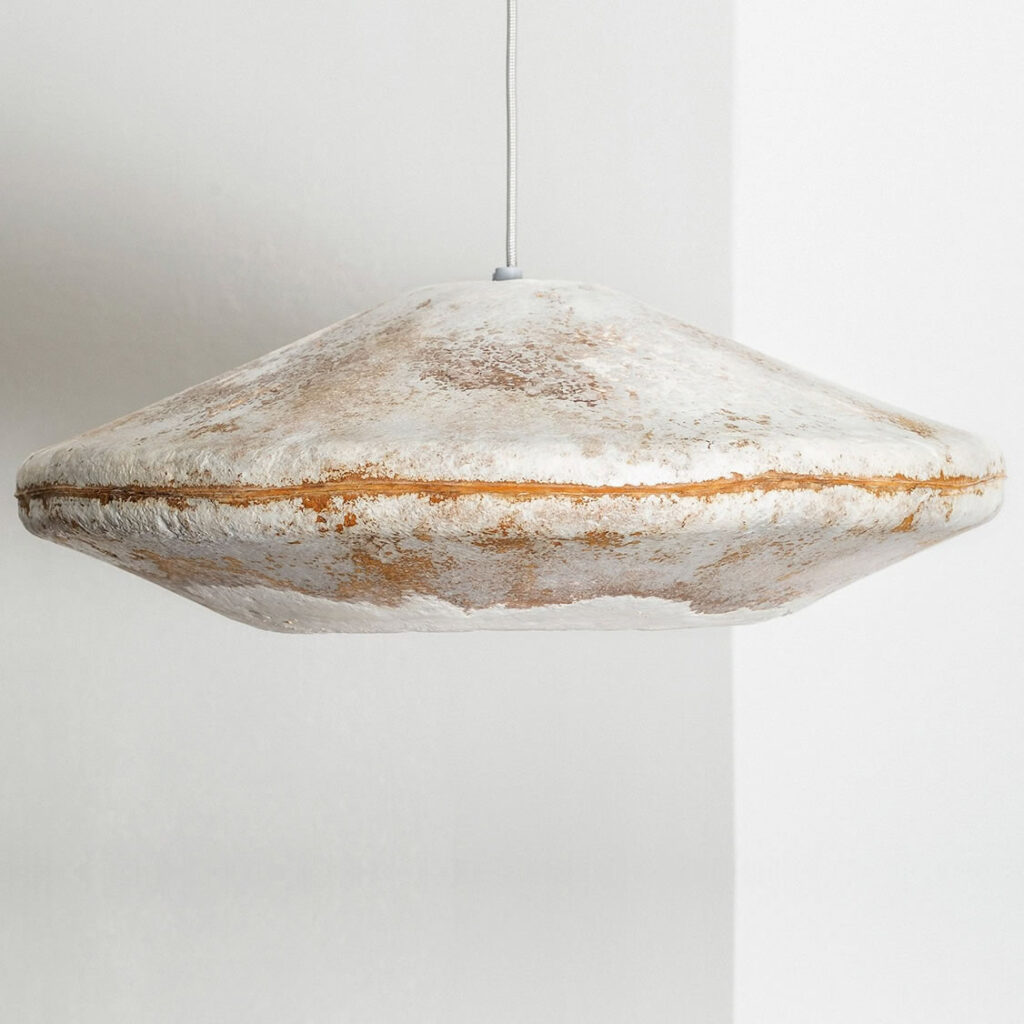
Myceen creates “soft and velvety” lampshades made from mushroom mycelium.
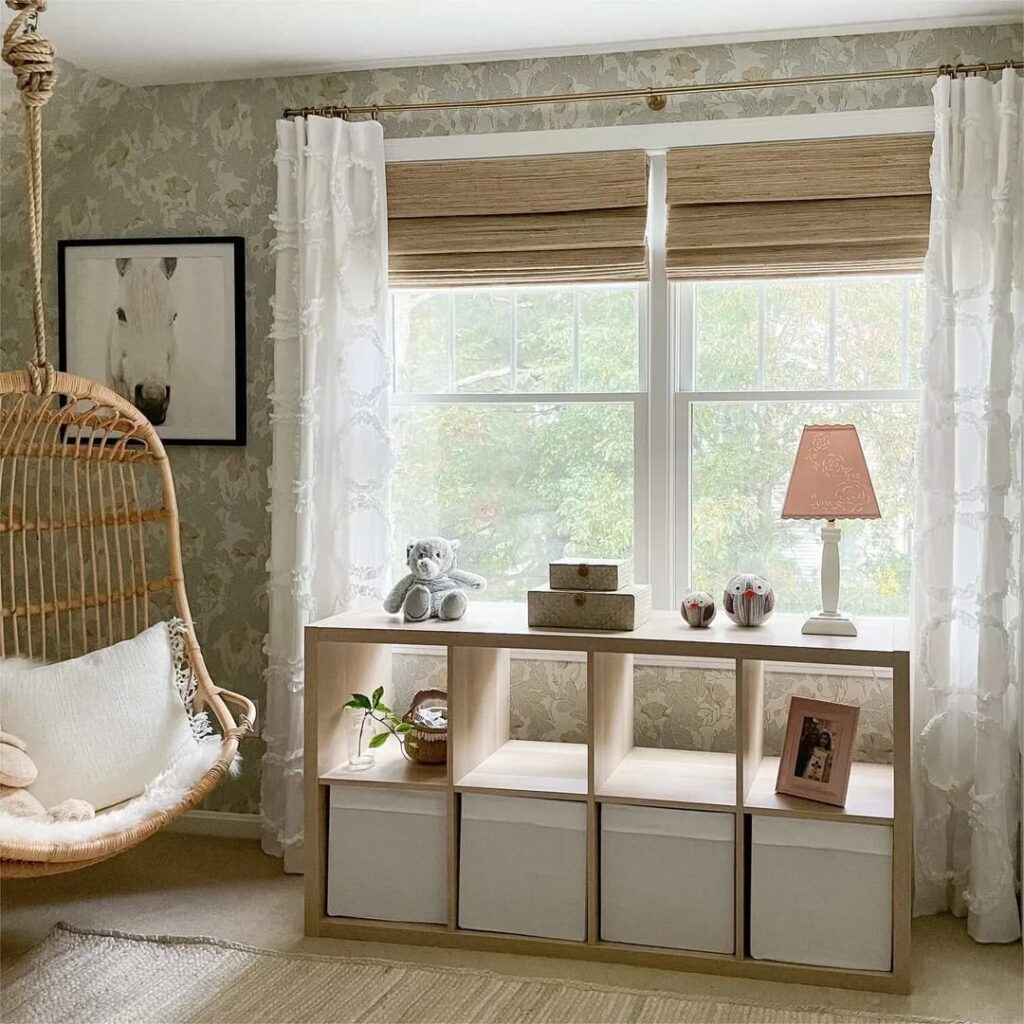
Luxury Wooven Bamboo Shades Collection.
3. Biomorphic Silhouettes: The Architecture of Fluidity
In 2026, we are moving away from the rigid, sharp geometries of the past toward biomorphic silhouettes. These forms, directly inspired by the ancestral curves of river stones, flower petals, and rolling hills, offer a psychological sense of safety and “sensory equilibrium.”
The French Method® Insight: In our practice, we treat an organic curve as a “Light Sculptor.” Unlike a sharp 90-degree angle that creates a harsh, disruptive shadow, a biomorphic form allows light to wrap around its surface. This creates a soft sfumato effect—a gradual transition between light and shadow—that adds profound atmospheric depth to a room. Mastering these curves is the key to transforming a static space into a living, breathing sanctuary.
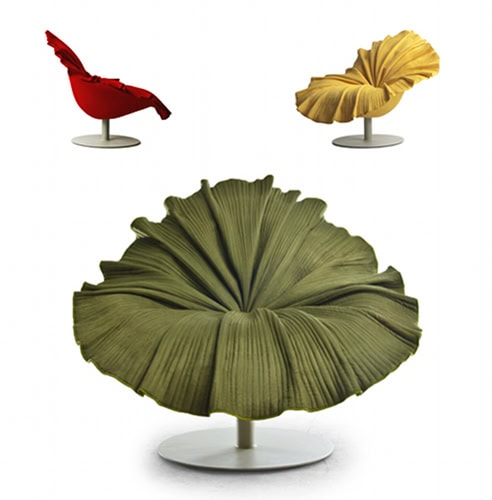
The Bloom Chair by designer Kenneth Cobonpue is a stunning example of nature-inspired furniture design. The chair’s distinctive form mimics a flower in bloom, with hundreds of delicate microfiber strands radiating outward from the center of the seat to create its petal-like shape.
Source : flemarie.fr
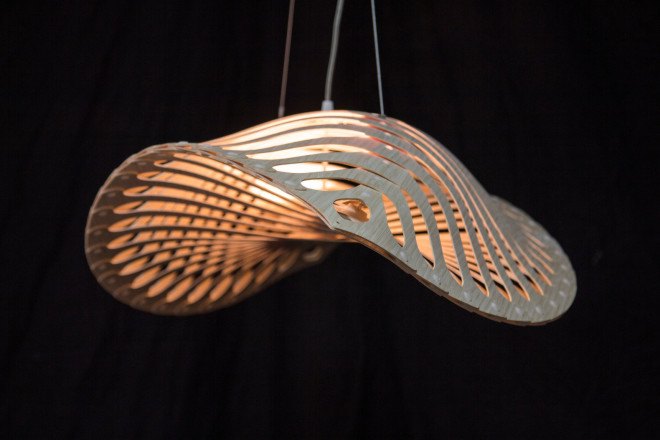
David Trubridge unveils new lights inspired by deep sea creatures.
Source : inhabitat.com
4. The Resonance of Terroir: Chromatic Alchemy with Natural Pigments
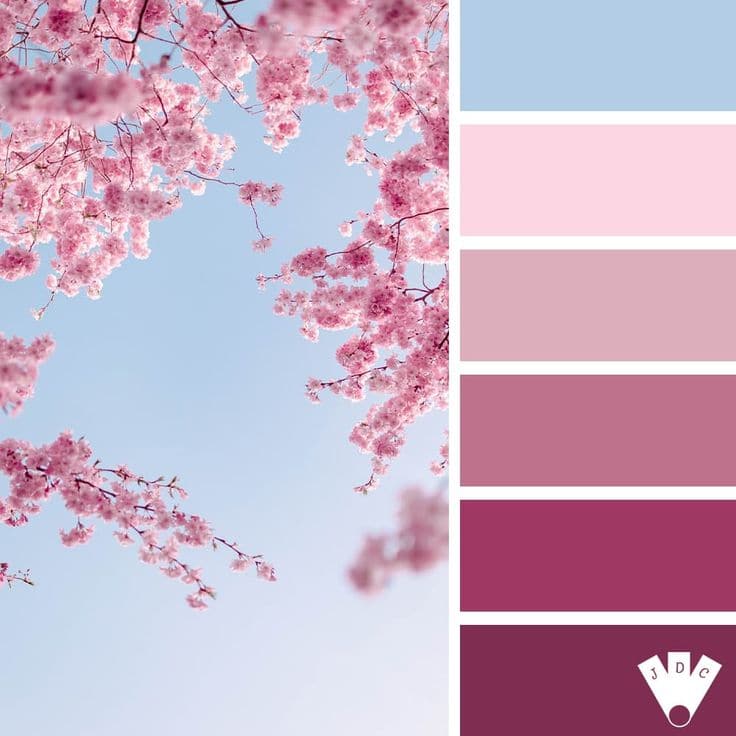
In 2026, we move beyond simple color matching toward the selection of pigments with a soul. Drawing from the “Terroir”—the unique character of minerals, raw clays, and organic matter—ensures a palette that feels timeless and psychologically grounding. Nature’s inherent harmony isn’t just an aesthetic choice; it’s a biological necessity for creating “living” spaces.
The French Method® Insight: While nature’s harmony is inherently perfect, it is also highly reactive. In our certification, we teach you to master Chromatic Metamerism. An earth-derived pigment—like a raw sienna—vibrates differently depending on the light’s temperature. It may feel nurturing in a warm West-facing sunset but can appear “muddy” in the cool, flat light of the North. Mastering the 4-Step Selection Process is what
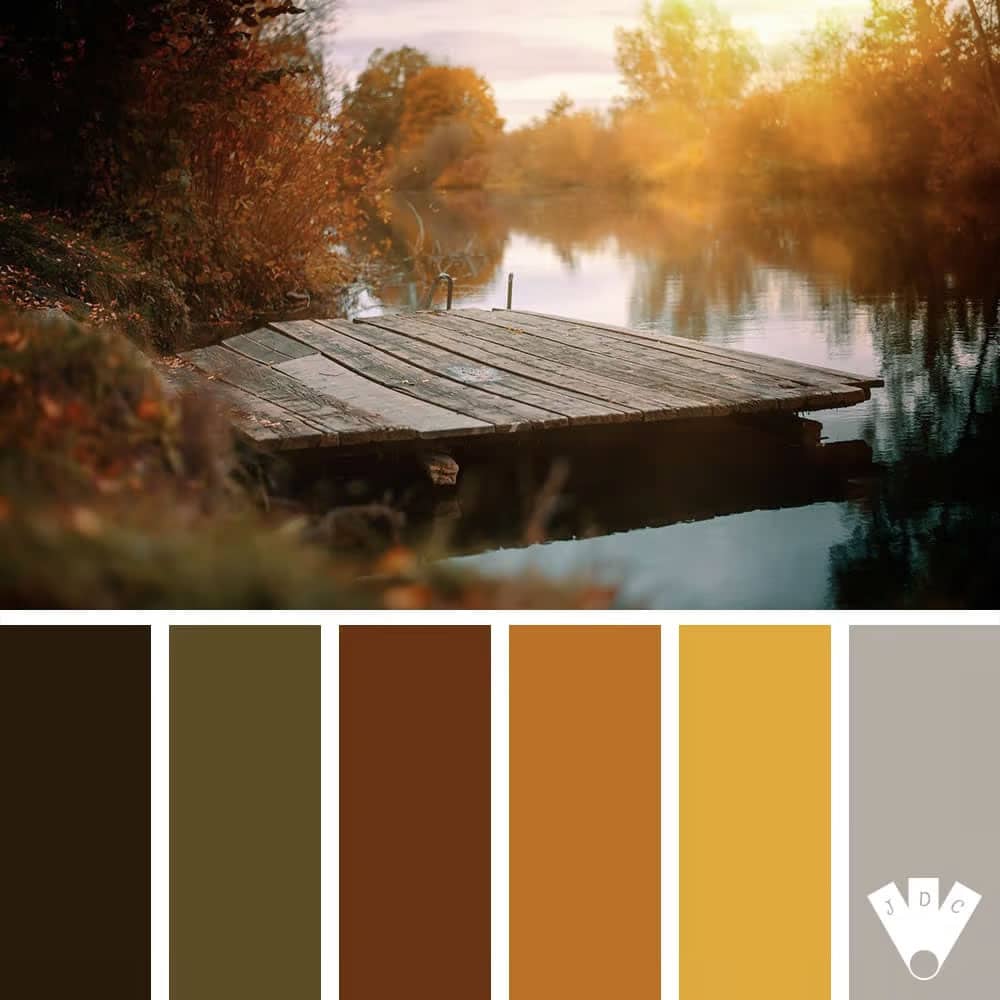
2026 Palette Evolution: We are seeing a shift from simple neutrals to deep, mineral-rich depths: scorched ochre, oxidised copper, and the profound silence of forest-floor moss.
5. Acoustic Sanctuaries: The Silence of Biophilic Surfaces
In the luxury market of 2026, silence is the ultimate architectural luxury. To achieve it, we no longer rely on synthetic foams; we turn to natural acoustic engineering to eliminate auditory clutter while maintaining a high-end organic soul.
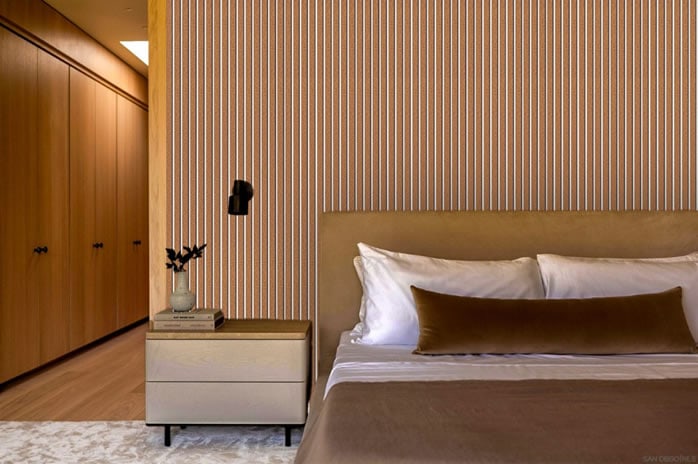
- Sculptural Carved Cork: This carbon-negative material provides a rhythmic, geometric aesthetic while offering world-class thermal and sound insulation.
- Stabilized Moss Canvases: These “living” walls introduce a lush vibrancy that physically absorbs sound waves through their high-surface-area biology, creating a haptic experience that is as quiet as a forest floor.
The French Method® Insight: Beyond sound, these materials are masters of Light Diffusion. Unlike flat drywall that bounces light harshly, the irregular, porous texture of cork or moss creates a matte diffusion. This eliminates visual glare and wraps the space in a gentle, hushed atmosphere. In our certification, we teach you that a truly quiet room must be quiet for both the ears and the eyes.
6. Hybrid Living Furniture
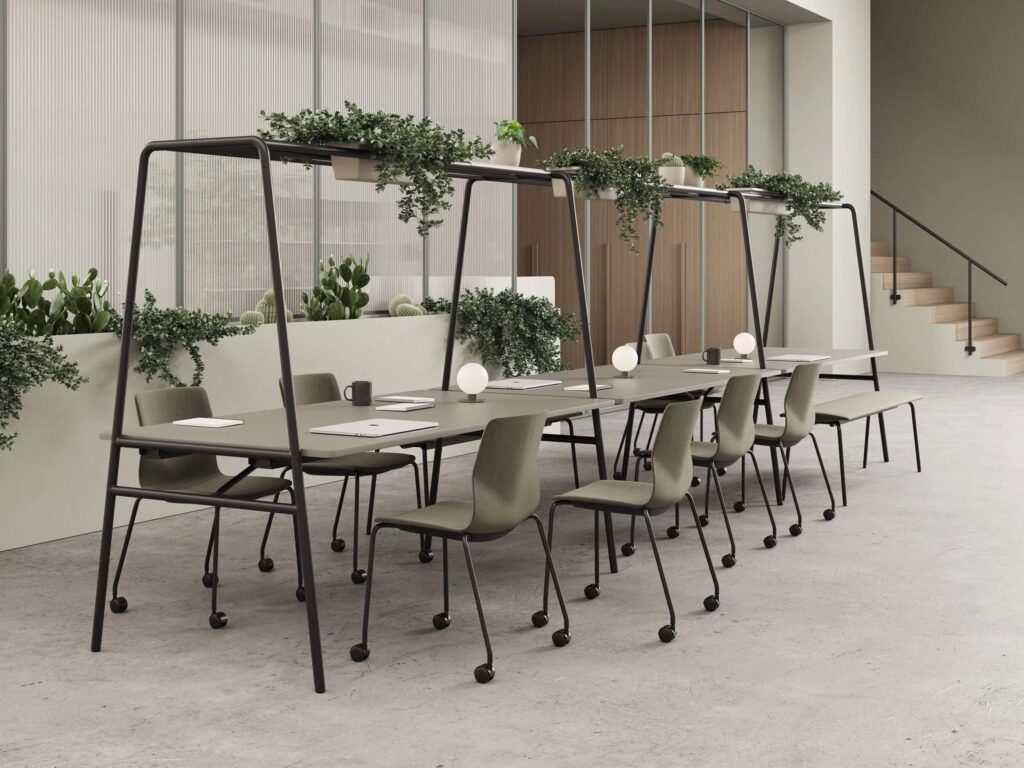
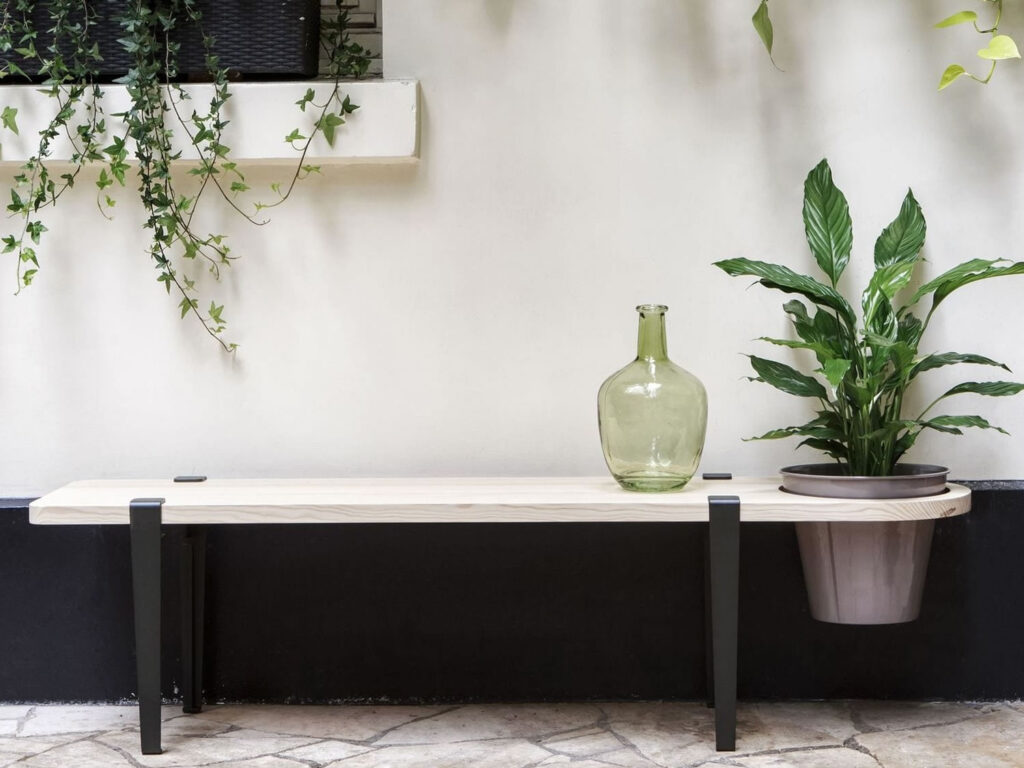
Integrate botanical pockets directly into benches, shelving, or tables. This seamless fusion of utility and nature transforms functional pieces into breathing architectural accents.
The French Method® Touch: These pieces act as “living shadows,” where the foliage interacts with the furniture’s geometry to create a constantly evolving play of light.
7. Seamless Spatial Continuity
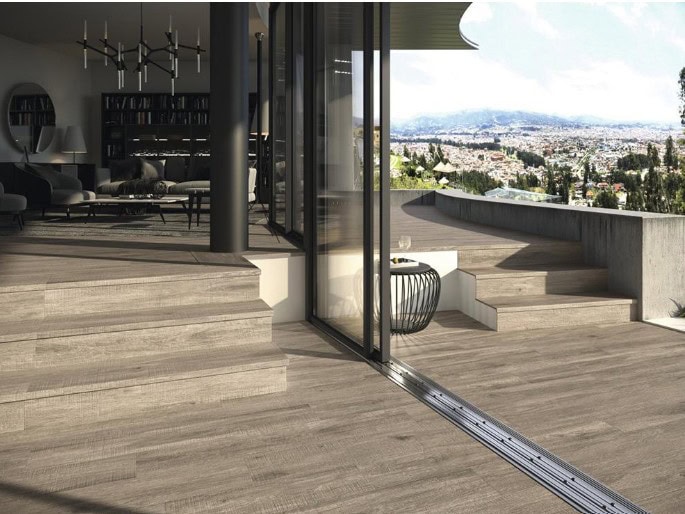
Dissolve the threshold by mirroring materials and palettes between your interior and the terrace. Using identical flooring creates an infinite visual horizon, transforming a single room into a vast, unified sanctuary.
The French Method® Touch: We achieve this through Chromatic Echoes. By aligning the interior’s pigment behavior with the exterior’s light orientation, we make the glass “disappear,” allowing the atmosphere to flow without interruption.

More from the blog
How to Become an Interior Decorator: Self-Teaching vs. Certification
Read moreSep
What Is a Paint Color Consultant? (And How to Become One)
Read moreAug
Color Psychology & Lighting: How Interior Design Affects Mood
Read moreMay